One view, every channel: a better approach to multi-channel payment management
If your business takes payments over the phone, by payment link, and in person, there is a good chance you cannot answer a simple question quickly: how much came in today, across everything, right now. Not because the information does not exist, but because it is split across several systems that were never built to talk to each other, each with its own report, its own login, and its own version of the day's figures.
This is what multi-channel payment management actually means in practice, and it is the problem Adelante's ConnectPay is built to solve: bringing every channel a business takes payments through into one platform, with one view of reporting and reconciliation behind all of them.
Why this happens to almost every growing business
Nobody sets out to build a fragmented payment setup. It happens because channels get added as the business needs them, not as part of a single plan. A business that started out taking payments in person adds a phone order line, then starts sending payment links for remote customers, then launches a mobile app, each addition solving an immediate problem without anyone stepping back to ask how it will be reported alongside everything else already in place.
Each new channel also tends to arrive with its own reporting dashboard and its own reconciliation process, so the fragmentation is not just about where payments are taken, it is about how many different places a finance team has to look to understand any of it.
The scale of the problem
This is a widely shared problem, not a niche one. IDC research commissioned by Edenred Payment Solutions into embedded payments and payouts found that only 10.8% of businesses using these capabilities say their payment and payout experience is fully integrated, while more than half report only basic or limited integration. The same research found that only 40.5% of businesses have a mostly or very transparent view of their own payment data, and 67% cite data transparency and payment status updates as a specific shortfall.
The knock-on effect is exactly what you would expect: managing payments across multiple systems makes it harder to reconcile transactions, maintain visibility, and make effective use of payment data, at the precise moment a growing business most needs to see all of that clearly. Finance teams end up doing manually what unified payments and proper payment reconciliation software should be doing automatically: downloading reports from each channel, matching them against each other, and reconstructing a single picture that no individual system was ever designed to provide.
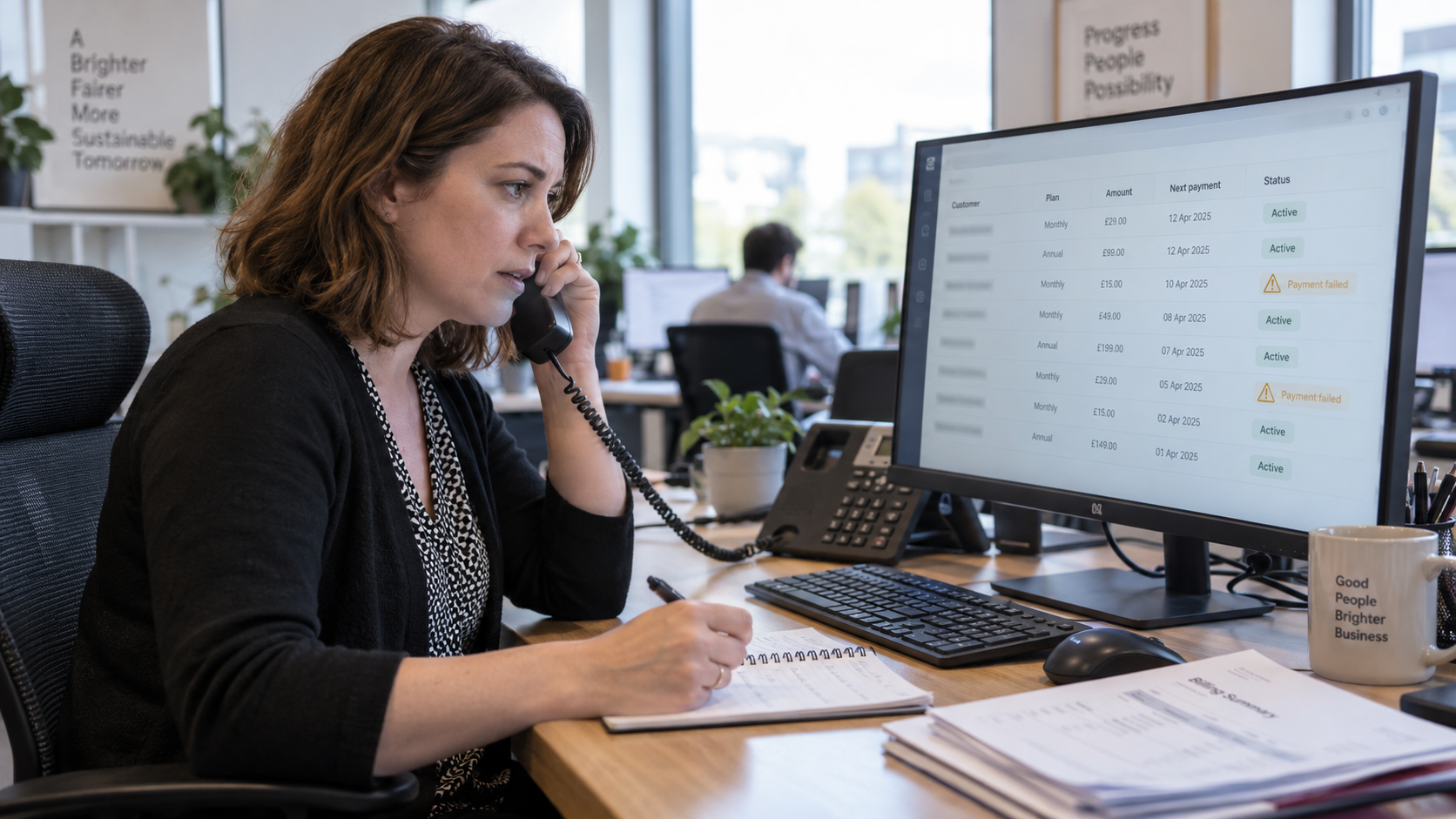
The same fragmentation compounds for businesses running recurring billing alongside these channels, where failed and missed payments add a further layer of reconciliation work on top of everything already described here.
What one view across every channel actually looks like
Bringing payment channels together does not mean picking one channel and dropping the rest. It means running the channels a business already needs through a single omnichannel payments platform, with one view of reporting and reconciliation behind all of them, updated in real time rather than compiled after the fact.
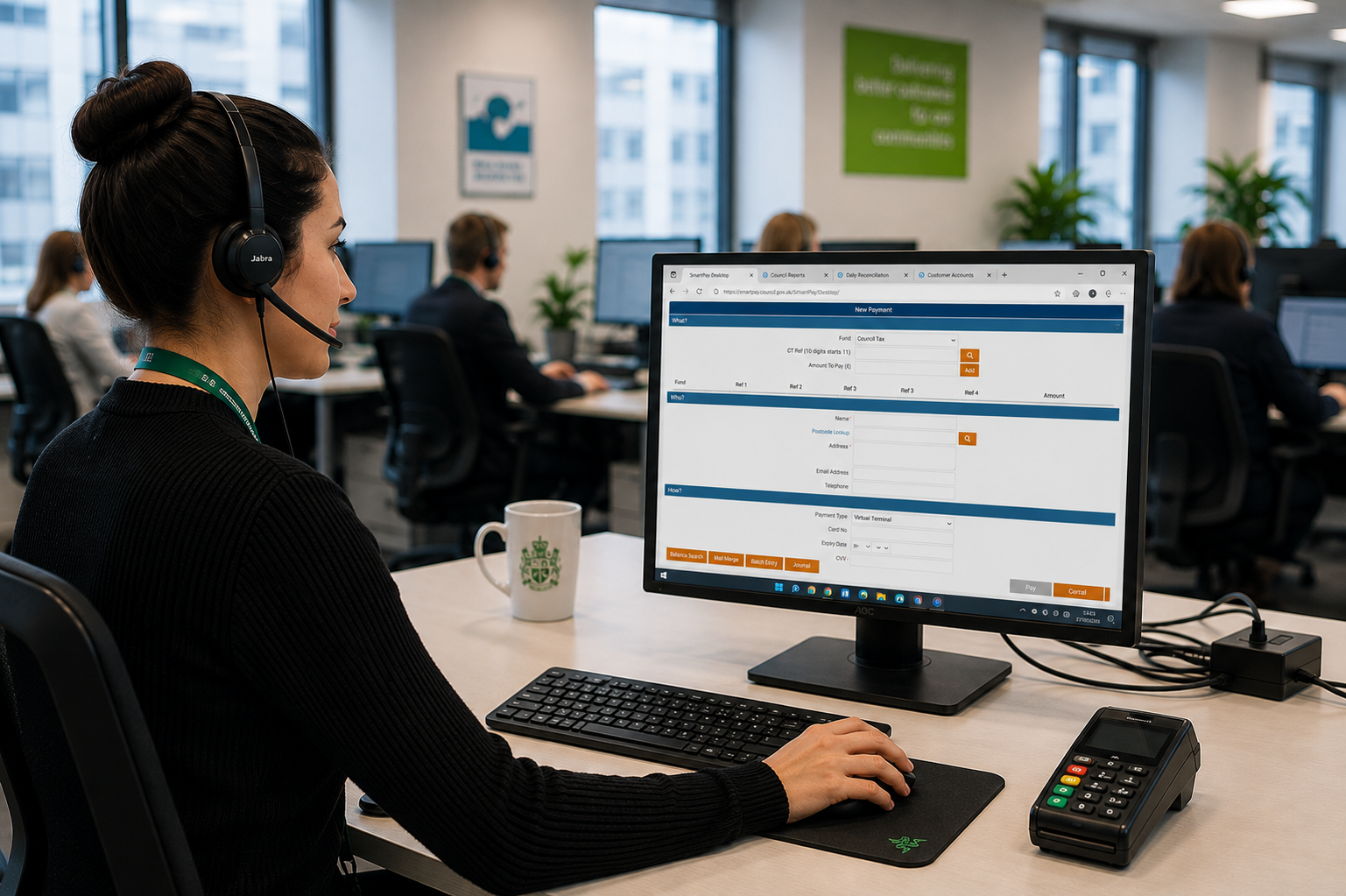
● A virtual terminal for taking card payments manually, for phone or mail orders
● Pay by Link for sending secure payment requests by email or text
● An automated telephone payments system for 24/7 access to a secure payments facility
● A mobile app, for iOS and Android, for payments taken on the move
● Chip and PIN terminals for in-person transactions
Every transaction from every channel lands in the same place, reported the same way. That single change removes manual matching for the transactions that need no attention, and surfaces the ones that do, rather than requiring someone to go looking for them across five separate logins.
It also happens quickly
A reasonable worry at this point is how disruptive bringing everything together might be. Adelante's ConnectPay is built to avoid a lengthy integration project: a typical deployment takes approximately one week from start to go live, covering account setup, integration with existing systems such as a CRM or booking platform, staff training on the relevant channels, testing, and go live itself. Consolidating reporting and reconciliation does not have to mean a quarter-long project to get there, and it does not require changing how staff actually take payments day to day.
Frequently asked questions
Do we need to use every channel to benefit?
No. The value comes from having the channels a business actually needs available within one system, so adding a new payment method later does not mean adding a new provider, a new login, and a new reconciliation process alongside everything else.
If Adelante is already PCI compliant, does that cover our own PCI compliance too?
Partly, and it is worth being precise about which part. Bringing channels together under one accredited platform means a business does not need to re-assess Adelante as a supplier every time a new channel is added, since that accreditation already covers the platform itself. It does not remove the need to assess a business's own PCI scope for each payment method, because that scope can change considerably depending on how a channel actually works. A fully automated telephone payment line, where card details never touch a business's own network or staff, sits in a very different scope to a virtual terminal, where a staff member enters card details directly, which typically falls under a larger self-assessment questionnaire. The same applies to card machines: a terminal connected by GPRS keeps scope relatively contained, while adding the same terminal to a business's own Wi-Fi or Bluetooth network can expand that scope significantly. The channel and how it connects matters as much as the platform behind it.
Does this change how staff take payments day to day?
No. Staff keep taking payments the way customers expect, over the phone, by link, or in person. The difference sits behind the scenes, in a single platform handling reporting and reconciliation rather than several disconnected ones.
Next step
If you cannot currently get a single, real-time view of income across every channel your business takes payments through, book a ConnectPay demonstration and see exactly where your current setup is costing you visibility, and what moving to one platform would look like for your business.